







Search Results for: Traditional Sun-Dried
What is the difference between traditional black tea and new-process black tea? Which has a better taste, traditional Dianhong or sun-dried black tea?
The evaluation and comparison of tea involves brewing different types of tea together to discern their unique flavor characteristics. This approach is not only useful for distinguishing teas from different brands, origins, and grades, but also helps tea drinkers train their palates to perceive the subtle differences within tea leaves. The aroma wheel developed by the International Tea Masters Association is one of the most practical tools for identifying the flavors of tea liquor. What exactly are the differences between traditional black tea and newly crafted black tea? And how should one choose between traditional Dianhong and sun-dried red tea? Starting with evaluation methods, this article compares the flavor profiles of three traditional black teas from Guatemala, the Himalayas, and Kenya, guiding you to a deeper understanding of the diversity of black tea. [more…]

Yemen Mocha Coffee: A Complete Guide to the Ancient Natural Process, Mattari Region Flavors, and Pour-Over Parameters
Yemen is one of the countries with the longest history of coffee cultivation, and its Mocha coffee is world-famous for its rich, wild sun-dried flavor. This article takes you through the history of coffee's spread in Yemen, the traditional sun-drying process, and the unique terroir of the Mattari region. Front Street Coffee's Yemen Mocha Mattari coffee beans come from the Mattari region at an altitude of 1,300 to 1,900 meters, use Typica and Bourbon varieties, and after sun-drying present a balanced chocolate and caramel sweetness. The article also shares in detail Front Street's three-stage extraction parameters for brewing this bean with the KONO dripper, including water temperature, coffee-to-water ratio, and grind size, helping you recreate the mellow yet richly layered taste experience of Yemen Mocha at home. [more…]
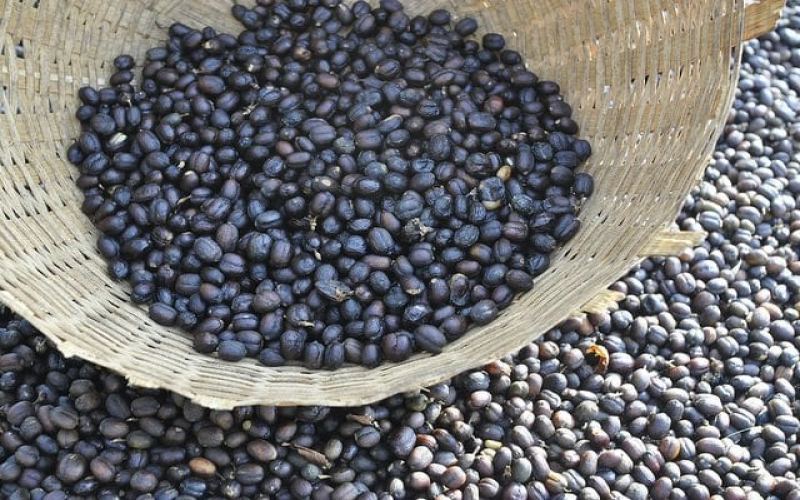
Sun-Dried Processing Method Explained: Flavor Evolution from Traditional Drying to the Red Cherry Project and Key Brewing Points
As the oldest method of processing green coffee, the natural process uses sunlight to dry the whole coffee cherry together with its pulp, giving the beans intense tropical fruit notes and fermented sweetness. However, traditional natural processing often carried defective flavors due to lax quality control, and it was only in recent years, driven by the specialty coffee wave and Ethiopia's Red Cherry project, that natural processing moved toward refinement. This article will outline the principles of the natural method, its historical evolution, and the modern operational workflow, and will use Front Street Yirgacheffe Red Cherry natural beans as an example to analyze their flavor characteristics and brewing parameters, helping enthusiasts fully understand the unique appeal of this processing method. [more…]
Sun-Dried Yirgacheffe | What are the pros and cons of the sun-dried processing method for Yirgacheffe coffee beans? What are the flavor characteristics of Ethiopian sun-dried coffee?
For more specialty coffee knowledge, please follow our WeChat official account: FrontStreet Coffee. Sun-dried processed coffee beans are naturally dried inside the fruit pulp, so the weather conditions affect the quality of the coffee beans. Front Street uses sun-dried coffee beans and two other traditional processing [more…]
A Complete Guide to Yemeni Coffee Regions: Historical Heritage, Mattari Flavor, and a Front Street Coffee Natural Mocha Brewing Guide
In the coffee landscape of Asia, Yemen occupies a historical position that cannot be overlooked. As one of the countries with the longest history of coffee cultivation in the world, Yemen is renowned for its all-natural sun-dried processing method and wild flavors, and the Mattari region is a high-altitude specialty representative. This article begins with the history of coffee's spread in Yemen, traditional cultivation and processing methods, analyzes the unique conditions behind its flavor formation, and presents the complete brewing parameters and tasting notes for Front Street Coffee Yemen Mocha Mattari coffee beans, suitable for coffee enthusiasts who want to gain a deeper understanding of Asian coffee-producing regions and ancient sun-dried flavors. [more…]
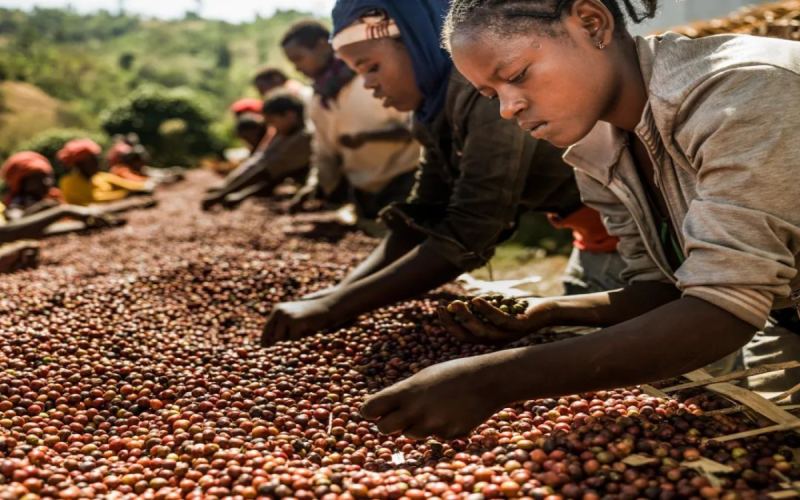
Introduction to Coffee Bean Processing Methods | Why Does Natural Coffee Have High Sweetness and Fermented Flavors? 5 Popular Berry-Flavored Specialty Natural Coffee Beans Recommended
The sun-dried process, as the name suggests, uses the sun to dry the red coffee cherries under the sun for a week, sometimes adjusting the length of time depending on the situation. Once the fruit skin and pulp have been dried into a dark color, a hulling machine is used to remove the skin and pulp, and finally the defective beans are picked out and it's all done. The benefits of the sun-dried process [more…]
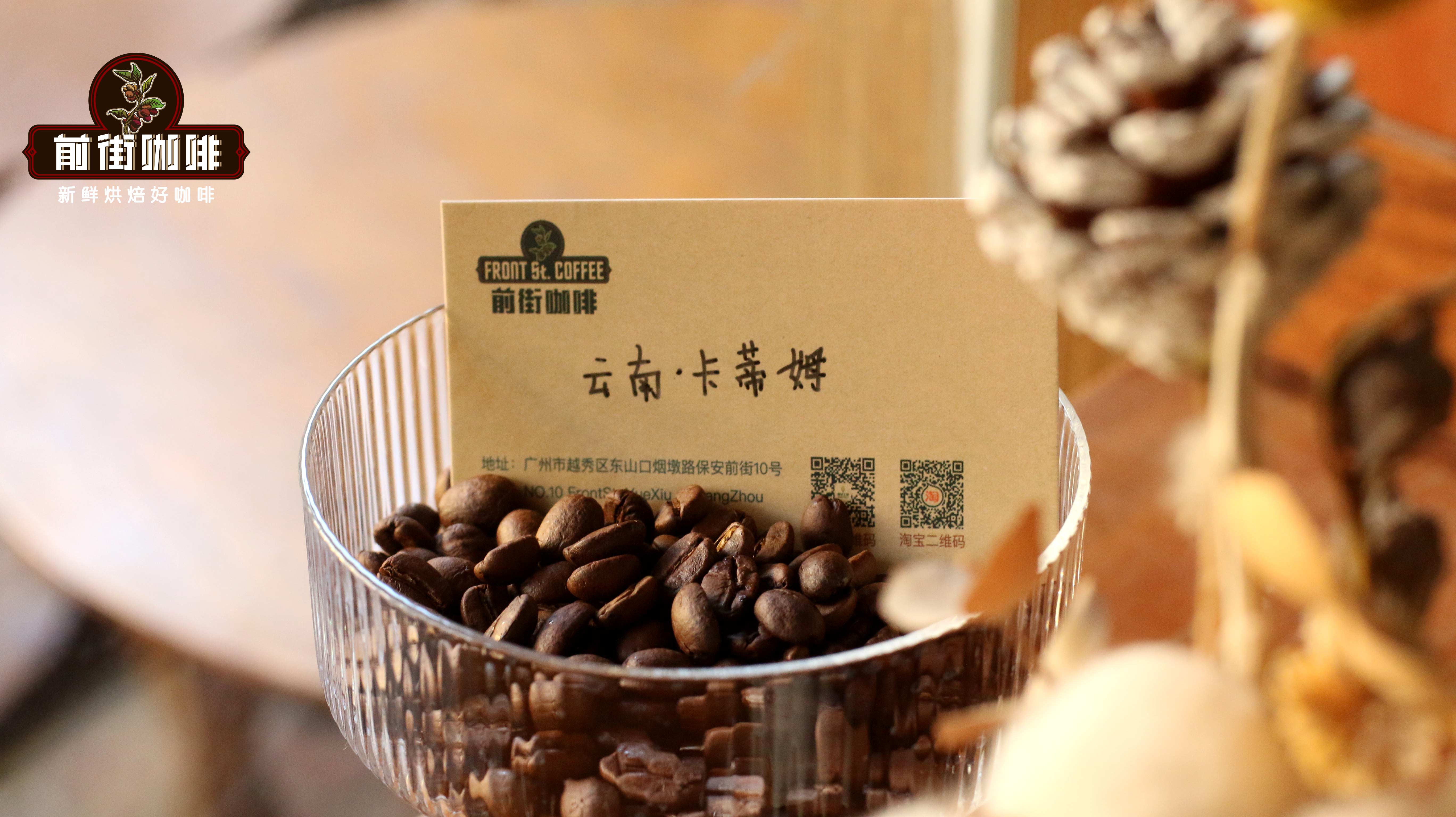
Yunnan Baoshan Small-Bean Coffee Brand Recommendations and a Detailed Guide to Brewing Lincang Sun-Dried Typica Medium-Roast Beans
Yunnan coffee has performed impressively in the international market in recent years, with producing regions such as Baoshan, Lincang, Pu'er, and Dehong each having their own distinctive characteristics. Starting from the terroir of the producing regions, this article reviews the cultivation distribution and varietal evolution of Yunnan Arabica coffee, with a focus on Front Street Coffee's own estate in Lincang and its sun-dried Typica. This bean uses traditional sun-drying processing and presents notes of dried fruit sweetness, plum acidity, and nuts, with a finish that carries brown sugar and black tea notes. The article also provides Hario V60 pour-over parameters: 90 degrees Celsius water temperature, 15 grams of coffee grounds, and a 1:15 coffee-to-water ratio, and shares practical suggestions on resting and grinding to help coffee enthusiasts fully appreciate the charm of Yunnan specialty coffee. [more…]
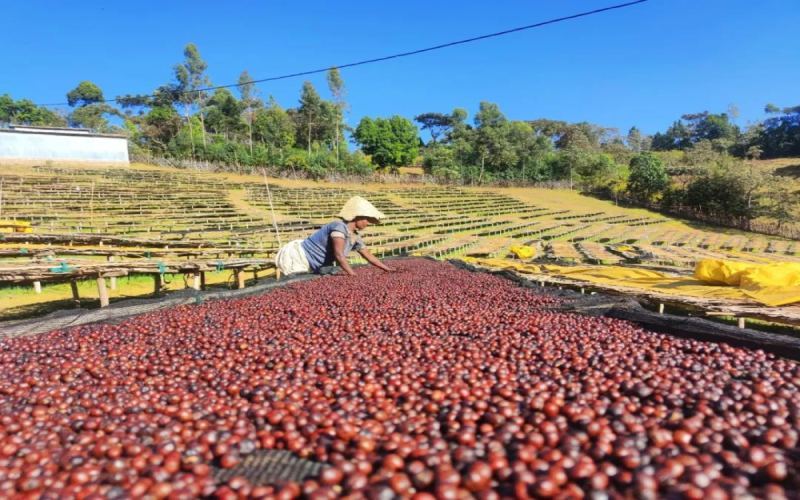
Analysis of the Natural Process Workflow and Flavor Characteristics: A Beginner's Guide to Green Coffee Processing from Traditional to Specialty Natural
The final flavor profile of a cup of coffee is determined not only by variety and origin, but also by the way the green beans are processed. As one of the oldest coffee processing methods, the natural process has re-emerged as a focal point in the specialty coffee world in recent years, thanks to its rich fruity aromas and full-bodied sweetness. This article, from the perspective of Front Street, systematically walks through the complete steps of the natural process, compares traditional natural processing with refined natural processing, explains in detail each stage from picking and sorting, drying, to hulling and storage, and introduces two representative Front Street natural-processed coffee beans — Huakui and the 2013 Typica — to help coffee enthusiasts fully understand the appeal of the natural process. [more…]
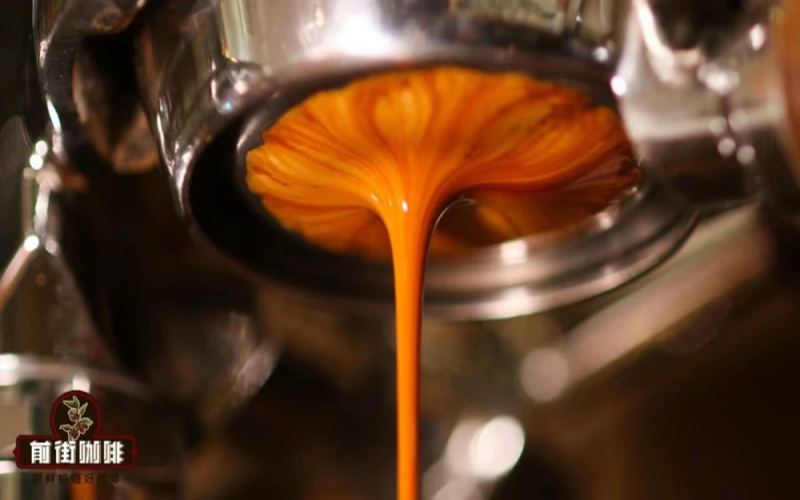
Is SOE Yirgacheffe Good for Espresso? An Analysis of Single-Origin Espresso vs. Pour-Over
SOE stands for Single Origin Espresso. Unlike the traditional blending approach, it places greater emphasis on the distinctiveness of the origin's flavors. This article focuses on Yirgacheffe SOE, clarifying its flavor performance when made as espresso, and whether it shines equally well as pour-over. The article will also share the specific parameters and preparation methods for Front Street Coffee's Natural Red Cherry SOE in americano and latte, helping coffee enthusiasts determine whether this bean suits their taste preferences, while also understanding the key points of bean selection and roast level control for SOE, making it easy for beginners to get started. [more…]
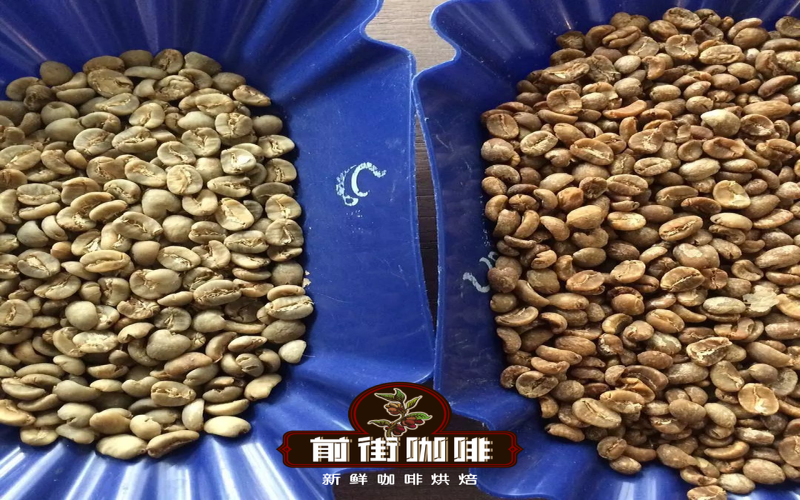
The Mark of Time on Aged Mandheling: From the Sumatran Tiger to a Cross-Century Coffee Legend
Sumatra's Mandheling coffee is Indonesia's most recognizable coffee category. On this land famous for the Sumatran tiger, coffee beans undergo wet-hulling and long sea voyages, giving rise to the unique category of Aged Mandheling. Front Street Coffee offers five products: Lintong, Golden, Tiger, Aged, and Sun-Dried Mandheling, covering different producing regions and processing methods. This article will guide you through the flavor characteristics and brewing parameters of each Mandheling, as well as the historical origins and roasting logic behind aged coffee. [more…]
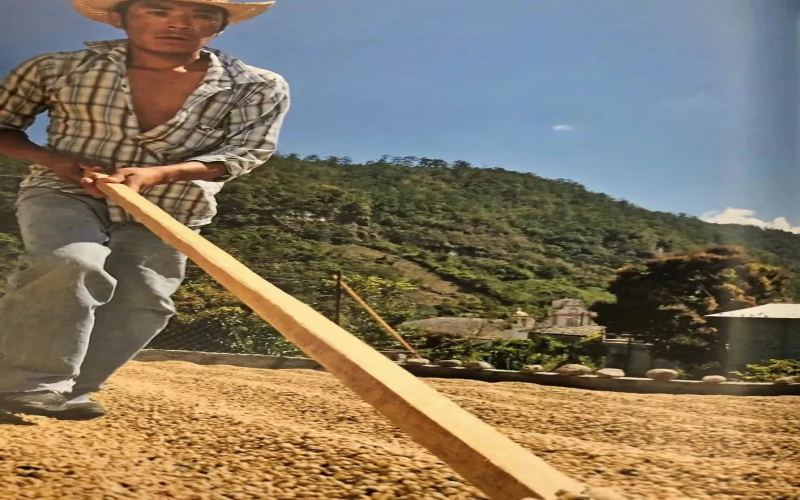
Why did naturally processed coffee beans carry the label of inferior beans for so long? The rise of specialty natural coffee seen through the evolution of processing methods
In coffee circles, one often hears a claim: naturally processed beans were long ago classified as second-grade beans. This sounds a bit unbelievable—how could beans be ranked as superior or inferior simply because of different processing methods? To answer this question, we need to turn the clock back several centuries. From coffee's first appearance on the stage of history in 1400 to the gradual spread of washed processing by 1850, the natural method went through a long process from being the only mainstream approach to being stigmatized. This article sorts out the historical thread of natural processing, reconstructs why it once became synonymous with inferior goods, and how it was later rehabilitated by brands such as Edido Misty Valley and 90+. Front Street Coffee will also use the case of Harar coffee to help you understand the flavor potential and real-world dilemmas of natural beans. [more…]
Coffee Knowledge on Ethiopia's Sidama and Guji Regions: Flavor Analysis of the Lion King Natural Bean
Ethiopia is the birthplace of Arabica coffee, and its southern Sidamo and Guji regions are famous for their rich and diverse flavors. This article systematically reviews Ethiopia's geography, climate, administrative divisions, and coffee cultivation models, with a focus on analyzing the characteristics of the natural process in the Sidamo region, as well as the blueberry sweetness, citric acidity, and full berry aroma of the Lion King coffee beans from the Guji region. It also compares the differences between traditional natural process and improved natural process, and introduces the flavor performance of washed Sidamo. Front Street recommends this Lion King natural bean, brewed with 90°C water and a 1:15 coffee-to-water ratio, to showcase its bright acidity and floral, fruity, honey-like aroma. [more…]
Exploring Ethiopia's Kafa Wild Forest: A Full Analysis of the Flavor of Heirloom Natural G1 Coffee Beans
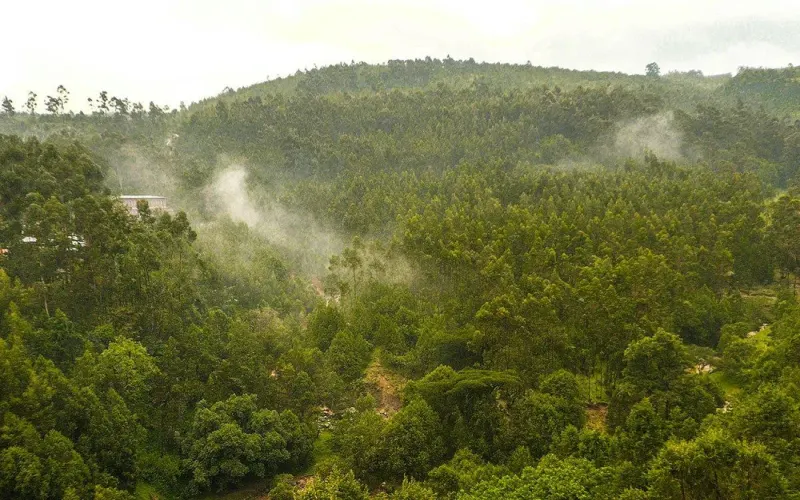
In southwestern Ethiopia, there is a primeval forest called Kafa, which still retains its ancient forest appearance and rich native coffee varieties. The coffee beans here grow naturally in the wild forest ecosystem, sheltered by mountains and rainforest trees, fertilized by fallen branches and leaves, and processed by local farmers using the most traditional sun-drying method. The Kafa Forest production area has a unique volcanic landform and wetland environment, where 26 small cooperatives and about 4,166 farmers work hard in the mountainous area at an altitude of 1,750 meters. This article will take you through the production area background, historical origins, and specific flavors to fully understand the unique charm of Front Street sun-dried Kafa Forest G1 coffee beans. [more…]
A Complete Guide to Yunnan Specialty Coffee Regions: Cultivated Varieties, Processing Methods, and the Flavor of Front Street's Own Sun-Dried Typica
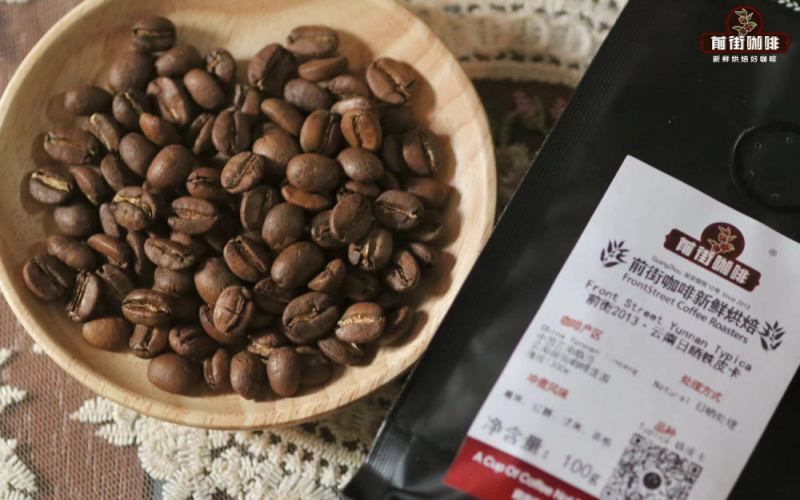
In recent years, Yunnan coffee has attracted much attention in the specialty coffee circle. How good is its quality really? This article systematically reviews the basic landscape of Yunnan coffee from the perspectives of growing regions, variety structure, and processing methods, and uses Front Street Coffee's sun-dried Typica from its own estate in Lincang as an example to present the true flavors that Yunnan coffee can display under traditional processing. The article also introduces the natural conditions of the two representative producing regions, Baoshan and Lincang, as well as the cultivation history, harvesting details, and brewing parameters of Front Street Coffee 2013 coffee beans, helping readers gain a comprehensive understanding of the current status and potential of domestically produced specialty coffee. [more…]
A Comprehensive Guide to Indonesian Sumatra Mandheling Coffee: Variety Origin, Processing Methods, and Flavor Characteristics
Mandheling coffee is one of the most iconic coffees of Sumatra, Indonesia, prized by enthusiasts for its rich, full-bodied taste. Starting from the symbolism of the Sumatran tiger on its packaging, this article systematically sorts out Mandheling's core producing regions, varietal composition, and processing methods, and introduces in detail the flavor profiles of the five Mandheling coffees sold by Front Street Coffee—Lintong, Golden, Tiger, Aged, and Sun-Dried Mandheling. At the same time, the article also explains the historical reasons why Mandheling favors dark roasting, and includes Front Street's recommended pour-over parameters and brewing techniques for different Mandheling coffees, helping you understand this classic coffee more comprehensively. [more…]
First Attempt at Natural Process Jamaican Blue Mountain Coffee: Analyzing the Differences Between Natural and Washed Blue Mountain
Jamaican Blue Mountain coffee has always been renowned for its washed processing method, and its balanced flavor of acidity, sweetness, and bitterness along with its elegant aroma has captivated countless coffee enthusiasts. However, in the 2020 new crop season, the historic Clifton Estate introduced sun-dried Blue Mountain coffee beans for the first time, which undoubtedly broke the traditional impression of Blue Mountain coffee. Sun-dried and washed—two completely different processing methods—what kind of flavor changes will they bring to Blue Mountain coffee? This article will delve into the origin background, export standards, and variety characteristics of Blue Mountain coffee, and provide a detailed comparison of the specific differences between the washed Blue Mountain and sun-dried Blue Mountain listed by Front Street Coffee in terms of green beans, roasting, brewing, and flavor, giving you a comprehensive understanding of this novel creation. [more…]
In-Depth Analysis of Single-Layer Sun-Dried Slow Fermentation (SLD): How the Hambela Region Produces High-Quality Natural Coffee
In the Guji region of Ethiopia, there is a place called Hambela that is quietly changing people's perception of natural coffee. Here, a processing method known as SLD—Single Layer Drying slow fermentation—is used, spreading coffee cherries in a single layer on raised beds and subjecting them to about 18 days of precise drying, so that every cherry receives the most even airflow and the fullest fermentation. Although this technique takes up more space and time, it gives the beans fuller sweetness and greater storage potential. Compared with traditional Yirgacheffe, Hambela coffee is gentler in acidity, yet superior in sweetness and body. This article will take you deeper into what makes this processing method unique and how it influences the final flavor of the coffee. Front Street Coffee also particularly recommends paying attention to beans from this region and experiencing their appealing expression, as warm and smooth as fruit tea. [more…]
Yunnan small-bean coffee: growing region conditions, variety characteristics, pour-over recommendations, and flavor analysis
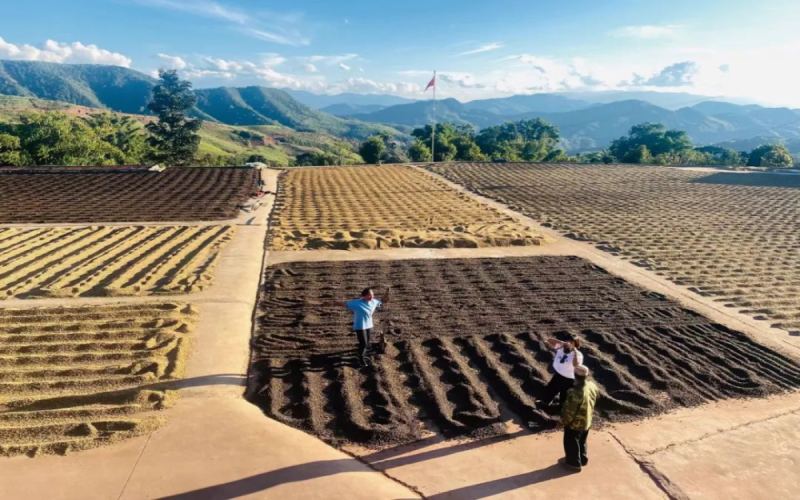
Southern Yunnan, with its low latitude, high altitude, and pronounced day-night temperature difference, has become the most suitable region in China for growing high-quality Arabica coffee. Local coffee is mostly distributed in dry-hot river valleys at elevations of 1,000 to 2,000 meters, and its flavor is characterized by moderate acidity, rich aroma, and full body. Currently, more than 90% of the varieties grown in Yunnan are Catimor, while in recent years specialty varieties such as Typica have regained attention. The 2013 sun-dried Red Cherry Typica produced by Front Street Coffee Estate uses traditional sun-drying and presents citrus, berry, fermented wine aromas, and a caramel-cream finish. This article will systematically review the tasting and usage methods of Yunnan Arabica coffee, from regional terroir and variety classification to flavor characteristics and espresso blending ideas. [more…]

Analysis of the Flavor of Brazilian Sun-Dried Yellow Bourbon Coffee: From Processing Method Differences to an Introduction to the Quality of Queen's Farm
Brazil, as the world's largest coffee producer, has always drawn attention for its processing methods and flavor characteristics. This article starts with the differences between the natural sun-dried method and the washed method, offers an in-depth analysis of the taste profile of Brazilian coffee, and focuses on the naturally processed Yellow Bourbon coffee beans from Queen's Farm—these beans are full of sweetness, rich in fruity notes, and have a long-lasting aftertaste, performing excellently whether brewed as a single origin or used as an espresso blend bean. Front Street Coffee recommends that you keep an eye on this Brazilian specialty bean that combines balance and sweetness. [more…]
Front Street Wahana Estate Natural Mandheling: Flavor Profile and Brewing Highlights of the Estate Natural Process
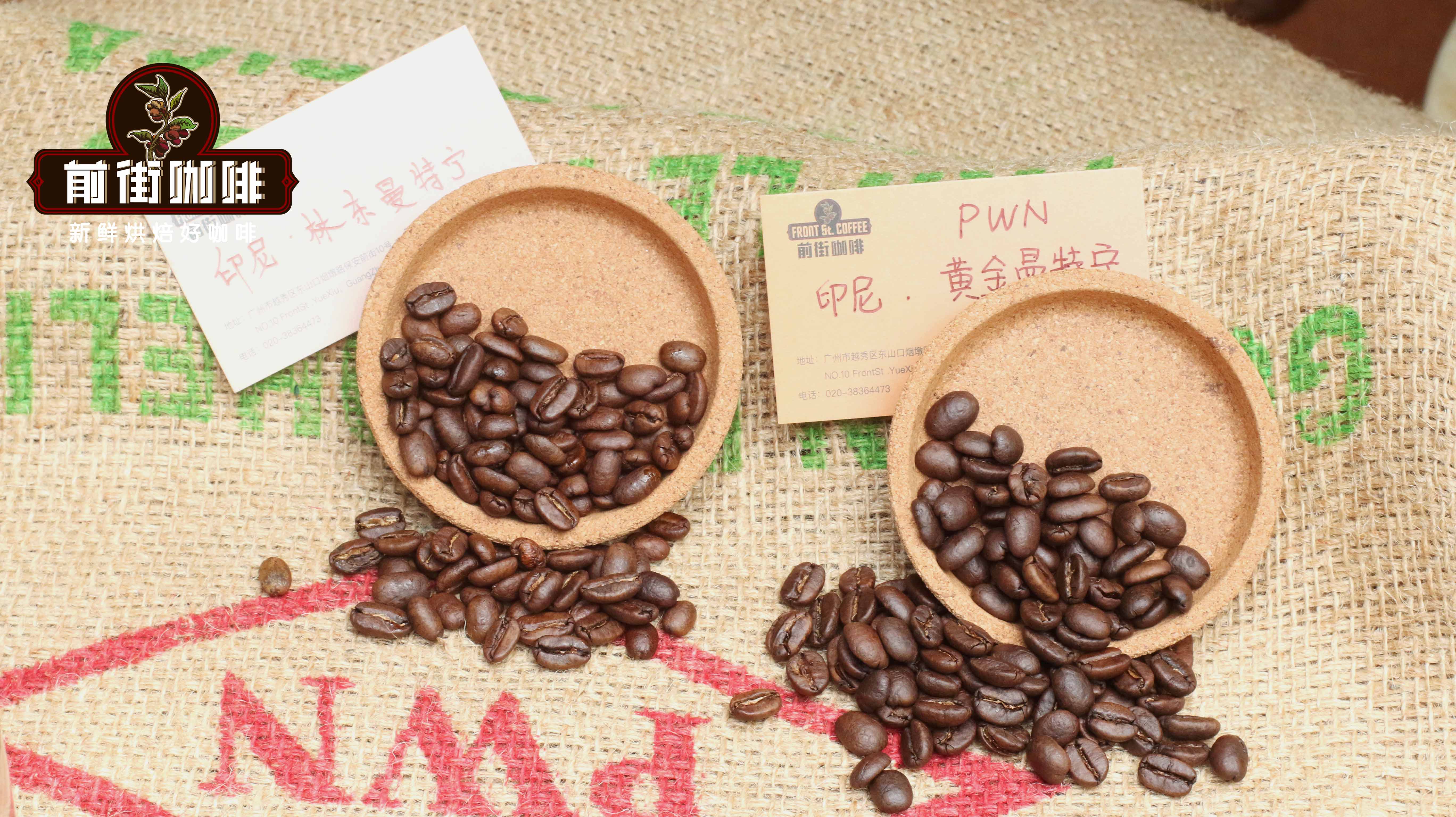
Mandheling is a representative variety of Asian coffee, and its unique flavor is inseparable from Indonesia's traditional wet-hulling method. This article focuses on Front Street Coffee's Wahana Estate sun-dried Mandheling, guiding you through the background of this specialty estate in North Sumatra, the distinctive flavor profile of this sun-dried bean, and brewing suggestions for a light roast. From the estate's planting scale to its processing methods, and on to specific brewing parameters, we present this sun-dried Mandheling that overturns traditional impressions in full. [more…]